
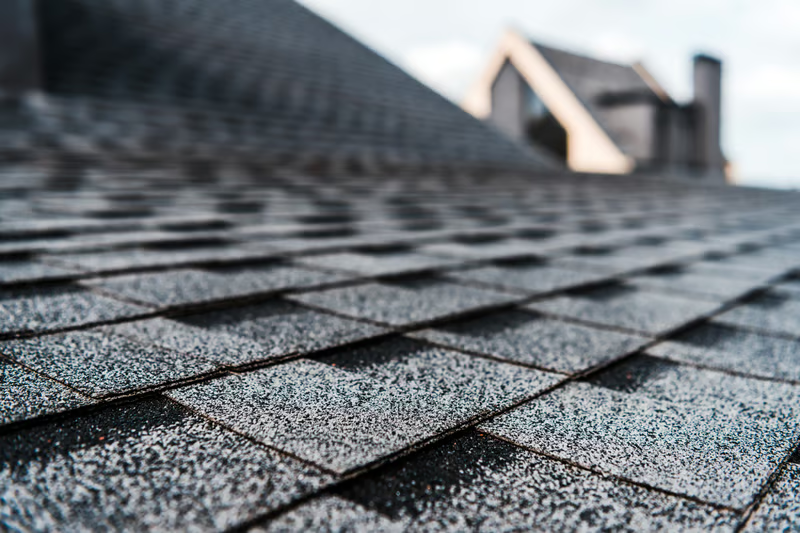
Baton Rouge homeowners face an ongoing challenge that standard roofing materials often fail to meet: severe hailstorms. East Baton Rouge Parish averages multiple significant hail events each year, with radar detecting hail on over 125 occasions in recent history alone. At Big Easy Roofers, we help Capital City property owners fight back against storm damage with Class 4 impact-resistant shingles rated to withstand the worst that Louisiana weather delivers.
If your current roof took a beating during the last round of spring thunderstorms, or you simply want to stop worrying every time dark clouds roll in from the Gulf, upgrading to a UL 2218 Class 4 shingle system is one of the smartest investments you can make. Below, we break down how the rating system works, which products perform best in our climate, and how you could save hundreds on your homeowners insurance every year.
Table of Contents
UL 2218 is the industry-standard test protocol that assigns roofing materials an impact resistance classification from Class 1 through Class 4. Developed by UL Solutions, the test replicates the kinetic energy of natural hailstones by dropping steel balls of increasing diameter onto shingle samples from controlled heights. Each class corresponds to a specific ball size and drop height:

Evaluators inspect each sample after impact and look for cracks, tears, or fractures that penetrate through the shingle. Cosmetic dents are acceptable, but any structural breach means a failure. Only products that survive repeated 2-inch steel ball strikes at 20 feet earn the Class 4 designation, making it the gold standard for hail protection on residential roofs.
During UL 2218 testing, shingle specimens are conditioned at controlled temperature and humidity, then subjected to two strikes per location on the same spot. The tester drops a 2-inch-diameter, roughly 5-ounce steel ball from 20 feet and inspects the back of the shingle for evidence of cracking or tearing. The shingle must show no structural damage after both impacts to receive a Class 4 rating.
What gives Class 4 shingles their resilience is typically SBS (styrene-butadiene-styrene) modified asphalt. This rubberized polymer compound allows the shingle to flex on impact rather than crack, absorbing energy the way a rubber ball bounces back instead of shattering. That flexibility also helps the shingles perform better over time, since SBS-modified asphalt ages more gracefully than standard oxidized asphalt and retains its protective qualities longer. When you are compare shingle types for your Louisiana roof, the SBS modification is the key differentiator between standard and impact-rated products.
Several major manufacturers produce Class 4 rated shingles that perform well in Louisiana’s heat, humidity, and storm conditions:


 By Admin
 0 Comment
 Jul 14, 2026