
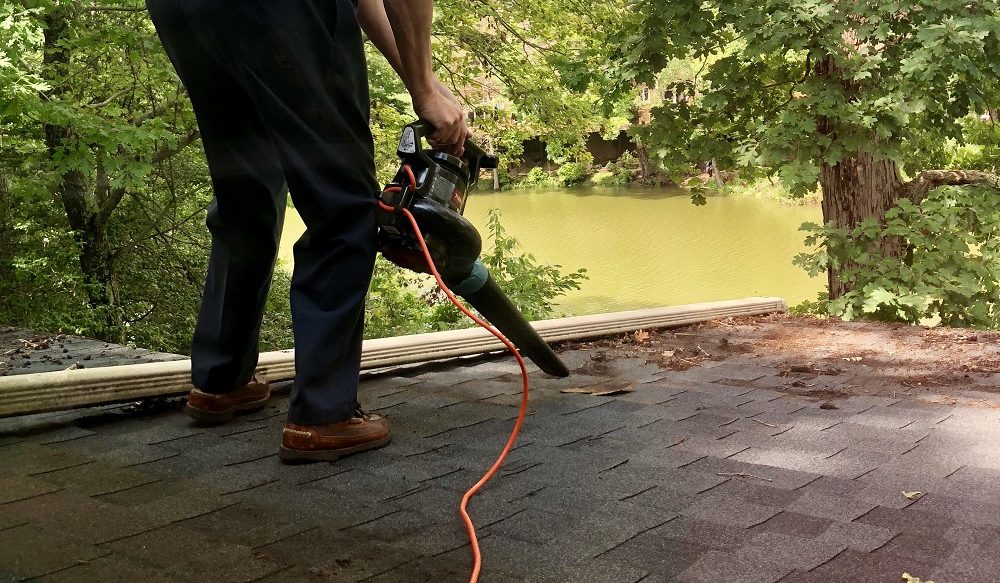
Safely cleaning New Orleans roofs requires a soft wash method using a low-pressure sprayer (or garden hose) with a solution of 50/50 water and bleach, or sodium percarbonate, to eliminate algae (Gloeocapsa magma). Avoid high-pressure washers, which strip granules. Apply on cloudy days to prevent rapid evaporation, allowing the solution to sit for 15-20 minutes before rinsing.
A dirty roof is more than a cosmetic problem in New Orleans. Black streaks, moss patches, and lichen colonies shorten shingle life by trapping moisture and feeding on the asphalt. The wrong cleaning method can cause more damage than the algae would. Pressure washing, abrasive scrubbing, and harsh chemicals have stripped granules off millions of roofs and voided warranties across the Gulf Coast.
At Big Easy Roofers, our licensed team has installed, repaired, and inspected shingle roofs across New Orleans and the Gulf Coast for more than 30 years, and we see improper cleaning damage every season. This guide covers techniques that protect asphalt shingles, safe DIY steps, and when a New Orleans roofing contractor should handle the job.
Contact us today for a free inspection.
Four cleaning mistakes cause most preventable shingle damage: high-pressure water, abrasive scrubbing tools, walking on fragile shingles, and undiluted or incorrect chemicals. Each removes or lifts the protective granules that keep asphalt shingles waterproof and UV-resistant. Damage is often invisible from the ground but shortens roof lifespan by years.
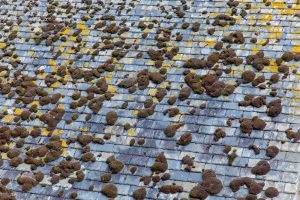 Standard pressure washers operate at 1,500 to 3,000 PSI. On asphalt shingles, that force blasts away the mineral granule layer, lifts shingle edges, and drives water into the decking. GAF, Owens Corning, and CertainTeed warn against pressure washing, and most warranties are voided by it.
Stiff-bristle brushes, scrapers, and wire tools remove granules just like high-pressure water. Even softer brushes cause damage with aggressive scrubbing, especially on older shingles that have lost some granule coverage. Gentle downward strokes with soft-bristle tools are the only acceptable manual technique.
Foot traffic is a leading cause of shingle damage during cleaning. Shingles are most vulnerable in hot weather when asphalt softens and granules release easily, and brittle in freezing weather. Clean from a ladder when possible or use fall-protection gear with roof jacks.
Undiluted bleach, pool chemicals, and acidic degreasers corrode flashings, kill landscaping, and leave streaks that do not rinse off. The ARMA-approved ratio is a 50:50 mix of household bleach and water, applied with a pump sprayer.
The safest roof cleaning techniques are ARMA-approved soft washing, gentle manual cleaning for small stained areas, and prevention-based methods like zinc or copper strip installation. Each removes algae, moss, and lichen at the biological root without force strong enough to damage the asphalt shingle surface.
Soft washing is the industry-standard method endorsed by ARMA, GAF, and Owens Corning. It applies a diluted sodium hypochlorite solution at 50 to 150 PSI, barely stronger than a garden hose. The chemistry kills algae, moss, and lichen at the cellular level, and dead matter rinses away.
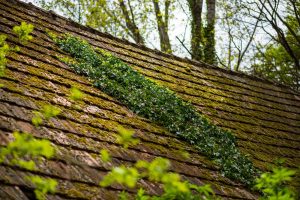 The ARMA-recommended formula is a 50:50 mix of household-strength chlorine bleach and water. The solution dwells 15 to 20 minutes before rinsing with low-pressure water. Pre-mixed roof-specific cleaners that meet ARMA guidelines are available at most home improvement stores.
Small algae patches or moss clumps can be removed by hand with a soft-bristle brush and the same cleaning solution. Use gentle downward strokes following the shingle direction. Never scrub upward or side-to-side, and never use wire or stiff brushes.
Homeowners can safely clean light stains on single-story roofs with low to moderate pitch using a garden pump sprayer, ARMA-approved cleaning solution, and basic fall protection. More serious buildup, steep pitches, and multi-story homes require professional equipment. Our residential roof maintenance team handles jobs beyond safe DIY limits.
DIY cleaning is suitable when the roof is one story, has a pitch you can work on safely, and shows only light algae or surface dirt. It is not appropriate for heavy moss colonies, lichen with visible roots, pitches above 6/12, or any situation requiring stepping onto the roof itself.
Basic DIY roof cleaning requires a garden pump sprayer, ARMA-approved cleaning solution, a soft-bristle brush on an extension pole, a stable ladder, and proper fall protection. Wet down landscaping to dilute runoff, and choose a cool, overcast day to prevent premature evaporation.
Apply solution from the bottom of the roof upward so runoff does not mark cleaned sections, then let it dwell 15 to 20 minutes without drying. Rinse from the top down with a garden hose at normal pressure, following the shingle grain. Heavier stains may need a second application.
Professionals should handle steep roofs, heavy moss, warranty-sensitive jobs, and any roof not recently inspected. Our team combines cleaning with a professional roof inspection to identify damaged shingles, flashing issues, or granule loss that should be addressed alongside cleaning.
Roofs with pitches above 6/12 or heights over one story require fall-protection equipment, training, and insurance. Falls from residential roofs are among the most common home-maintenance injuries. Professional crews carry the equipment and coverage to handle these jobs safely.
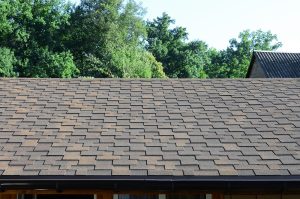 Mature moss develops root-like rhizoids that penetrate between shingles, and lichen bonds even more aggressively. Removing heavy growth without professional treatment can lift shingles and damage seals. Soft wash professionals use the right chemistry and dwell times to kill these organisms without physical damage.
Some shingle manufacturers require professional cleaning or certified contractors to keep warranties intact, particularly on newer roofs. Check manufacturer cleaning specifications before any DIY attempt. Professional documentation may also be needed for future warranty claims.
Safe roof cleaning comes down to three principles: respect the fragility of the granule layer, follow ARMA-approved chemistry, and know the limits of DIY. Homeowners who match the method to the situation keep their roofs looking clean, extend shingle life by years, and avoid the warranty and repair costs improper cleaning creates.
At Big Easy Roofers, our licensed contractors offer soft washing, inspections, and full-service roof care across New Orleans, Metairie, and southeast Louisiana. If your shingles show damage, heavy growth, or granule loss, we handle cleaning, residential roof repairs, and roof restoration in a single visit.
Contact our team today at 504-285-5135 for a free estimate.
No. ARMA, GAF, Owens Corning, and CertainTeed advise against pressure washing shingle roofs. Pressures above 1,500 PSI strip protective granules, lift shingle edges, and often void warranties. Soft washing at 50 to 150 PSI is the industry-approved alternative.
Soft washing is a low-pressure method that applies a diluted sodium hypochlorite solution at 50 to 150 PSI, about the strength of a garden hose. The chemistry kills algae, moss, and lichen at the biological root, and dead matter rinses away. ARMA, GAF, and Owens Corning endorse it for asphalt shingles.
Improper cleaning often does. Pressure washing and non-approved methods can void warranties from most major shingle manufacturers. Soft washing that follows ARMA guidelines typically does not, but some brands require certified contractors, so check your warranty terms before any work.
Most shingle roofs benefit from cleaning every two to five years, depending on climate, tree coverage, and humidity. New Orleans roofs often need more frequent attention because the humid subtropical climate and heavy oak canopies accelerate algae and moss growth. Annual visual inspections catch problems early.
A 50:50 mix of household-strength chlorine bleach and water is the ARMA-recommended solution. Pre-mixed roof-specific cleaners that meet ARMA standards are also available. Avoid undiluted industrial bleach, pool chemicals, and acidic or alkaline degreasers.
Yes. Zinc and copper strips installed along the roof ridge release small amounts of metal ions when rain flows over them. These ions inhibit algae and moss growth on shingles below. Strip installation is most effective on new roofs or after a thorough cleaning.
Professional soft washing typically costs $0.15 to $0.60 per square foot, depending on roof size, pitch, and staining. A standard single-family home falls in the $300 to $800 range. Heavy moss, steep-pitch access, and multi-story homes command higher pricing.
Only when necessary and with precautions. Shingles are most vulnerable in hot weather when asphalt softens, and brittle in cold weather. If you must walk on the roof, wear soft-soled shoes, use a harness with a secure anchor, and distribute weight carefully. Use a ladder or extension tool whenever possible.


 By Admin
  0 Comment
  Apr 22, 2026