
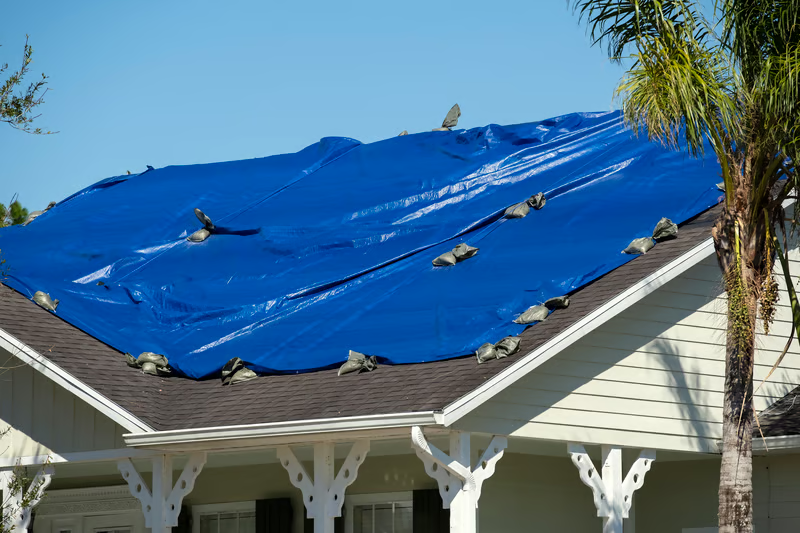
When a severe storm rolls through Slidell and leaves behind damaged shingles, exposed decking, or missing flashing, the clock starts ticking. Every hour that your roof stays open to the elements increases the risk of water intrusion, mold growth, and structural deterioration. At Big Easy Roofers, we help Louisiana homeowners protect their properties with fast, professional tarping and permanent repair solutions after storm damage.
Emergency roof tarping is one of the most critical steps you can take in the first 24 to 48 hours after a storm. Whether a hurricane, tornado, or severe thunderstorm caused the damage, getting a tarp secured over the compromised area prevents secondary water damage, which accounts for up to 80 percent of total storm-related repair costs according to industry estimates. For homeowners in Slidell and throughout St. Tammany Parish, understanding the tarping process, costs, and insurance requirements can save thousands of dollars and months of frustration.
Slidell sits in one of the most storm-vulnerable corridors in Louisiana. Located on the north shore of Lake Pontchartrain in St. Tammany Parish, the city has endured devastating impacts from Hurricane Katrina in 2005, when 70 percent of housing units in the parish sustained damage and storm surge reached 13 to 16 feet. More recently, in April 2024, an EF-1 tornado damaged nearly 700 homes and more than 50 businesses in the Slidell area alone.

With this kind of storm exposure, Slidell homeowners need a clear plan for what to do when roof damage occurs. Emergency tarping serves as the first line of defense between a manageable repair and a catastrophic interior loss. A properly installed tarp keeps rain out, prevents mold from taking hold in damp materials, and preserves the structural integrity of your roof decking and attic framing while you arrange for permanent repairs.
If you suspect roof damage after a storm, scheduling a get a full damage inspection after your tarp is down within 48 hours is essential for both your safety and your insurance claim.
Professional emergency tarping follows a structured process designed to protect your home without causing additional damage to the existing roofing system.
Step 1 : Damage Assessment: A roofing crew inspects the roof to identify all compromised areas, checking for hidden damage, weakened decking, and potential structural concerns. This assessment also determines whether the roof can safely support workers.
Step 2 : Interior Protection: Before addressing the roof exterior, crews may place containment barriers inside the home and set up drying equipment in areas already affected by water intrusion. Stopping active moisture migration is a priority.
Step 3 : Tarp Sizing and Placement: The tarp must extend at least four feet beyond the damaged area on all sides. Professionals use heavy-duty polyethylene or reinforced vinyl tarps rather than the lightweight blue tarps sold at hardware stores.
Step 4 : Securing the Tarp: Proper anchoring is critical. Professionals use 2×4 furring strips and screws along the tarp edges to create a wind-resistant seal. The tarp is tucked under the ridge cap or secured over the peak to prevent water from running beneath it. Unlike DIY methods that rely on sandbags or bungee cords, professional fastening systems withstand sustained winds of 40 to 60 mph.
Step 5 : Documentation: The crew photographs the damage before and after tarping. These images are essential for your insurance claim, and a reputable contractor will provide them to you along with a written scope of work.
Professional emergency roof tarping in Louisiana typically costs between $400 and $1,500 for a standard single-family home, with most jobs averaging around $1,200. Costs vary based on several factors:

Per-square-foot pricing typically ranges from $1 to $2.80, with professional labor billed at $60 to $120 per hour. Most tarping jobs take one to three hours to complete. For larger or more complex projects involving request commercial roof repair in Louisiana, costs can exceed $2,000 depending on the scope of the damage.
The good news for Slidell homeowners is that emergency tarping is almost always covered by standard homeowners insurance policies. Most policies include language requiring policyholders to take “reasonable steps to prevent further damage” after a covered event, and tarping falls squarely under that obligation. In fact, failing to tarp a damaged roof could give your insurer grounds to deny coverage for secondary water damage.
To ensure your tarping costs are reimbursed, follow these documentation steps:
After a major storm, the temptation to climb up and tarp the roof yourself is understandable, but it carries serious risks. According to the CDC, more than 500,000 people are treated annually for ladder-related injuries. Standing on a damaged roof with wet surfaces, loose shingles, and hidden weak spots multiplies the danger significantly.
DIY tarp installations also have a 40 percent failure rate in high winds, compared to roughly 15 percent for professional installations. The most common DIY mistakes include improper overlap placement, inadequate fastening, and failing to extend the tarp far enough beyond the damaged area. A tarp that blows off during the next rainstorm provides no protection at all and may cause additional shingle and flashing damage when it goes. Big Easy Roofers deploys tarping crews across southeast Louisiana within 24 hours of a call, with materials and fastening systems designed to hold through the next storm.
There are also insurance implications. If an improperly installed tarp leads to additional damage, your insurer may deny the expanded claim. Professional tarping from an call a licensed emergency roofing contractor today comes with documentation, proper materials, and workmanship that insurance companies recognize.
The only scenario where DIY tarping may be appropriate is on a low-slope roof (less than 6:12 pitch) with minor damage covering less than 100 square feet, and only if you have proper safety equipment and can work in dry conditions.
Tarping is a temporary measure, not a repair. It buys you time to arrange for proper restoration without accumulating additional water damage. Here is a general decision framework:
Tarp first, repair later when:
Move directly to permanent repair when:
In most post-hurricane scenarios in Slidell, tarping is the right first step because contractor demand surges across St. Tammany Parish and permanent materials may not be immediately available.
A properly installed professional tarp can last up to 90 days under normal conditions, but Louisiana’s climate shortens that window. The combination of intense UV exposure, high heat, and persistent humidity creates a harsh environment for tarp materials.
Standard blue polyethylene tarps begin to degrade in as little as 10 to 14 days of full sun exposure in southern Louisiana. UV rays are responsible for up to 90 percent of degradation in common plastic materials, causing the tarp to become brittle, crack, and eventually tear. UV-treated tarps perform significantly better, maintaining integrity for 60 to 90 days. Reinforced vinyl tarps offer the best longevity at three to six months, though they cost more upfront.
Slidell’s proximity to Lake Pontchartrain adds another factor: elevated moisture levels accelerate material breakdown and can promote mold growth beneath the tarp if ventilation is inadequate. For these reasons, plan to have your permanent repair completed within 30 to 60 days even if the tarp appears intact. Check the tarp weekly for signs of wear, pooling water, or loose edges, and contact Big Easy Roofers to have it re-secured immediately if any issues develop.
The best defense against needing emergency tarping is preparing your roof before hurricane season.
You should arrange for tarping within 24 to 48 hours after the damage occurs. Big Easy Roofers responds quickly across the Slidell, Mandeville, and greater New Orleans area to prevent secondary water intrusion, which can lead to mold growth, damaged insulation, and weakened structural framing. Waiting longer than 48 hours also complicates insurance claims and increases total restoration costs significantly.
Most standard homeowners policies in Louisiana cover the cost of temporary protective measures after a covered storm event. Your policy likely requires you to mitigate further damage, and tarping satisfies that obligation. Keep all receipts, take timestamped photographs of the damage before and after tarping, and file your claim within 48 hours to ensure reimbursement.
Professional-grade tarps can protect a roof for up to 90 days under ideal conditions. However, in Louisiana’s heat and humidity, plan for a shorter effective window of 30 to 60 days. Standard blue polyethylene tarps may begin breaking down in as little as two weeks of direct sun exposure. Schedule permanent restoration work as soon as your insurance adjuster completes their assessment.
Climbing onto a storm-damaged roof without professional training and safety harnesses is extremely dangerous. Wet surfaces, loose debris, and hidden structural weakness create serious fall hazards. Professional tarping also holds up better in subsequent storms. DIY installations fail at roughly twice the rate of professional work in high-wind conditions. The safest approach is to call a licensed contractor for the job.
Contact your roofing contractor immediately for re-tarping. Move valuables and electronics away from the affected area inside your home, and place buckets or containers to catch active drips. Document the situation with photos and notify your insurance company, as additional water intrusion may expand the scope of your existing claim. Do not attempt to re-secure the tarp yourself in high winds or on a wet roof surface.


 By Admin
  0 Comment
  Jun 18, 2026